What are Bispecific Therapies

Bispecific molecules are a growing category of immunotherapy that work by forming a direct connection between the immune system and a cell that the bispecific therapy should kill or protect.

These types of molecules come in many shapes and sizes, utilizing different components such as:

  • ‘Targeting’ arms – like T cell receptors or antibodies – that identify and bind to a specific characteristic of a cell, such as a protein on its surface.
  • Segments that either recruit the immune system or tune it down, depending on the intended effect. These are called ‘effector’ functions.

Immunocore_Therapy-comparison-graphic-01.png
Click image to view full size


Tuning the immune system

In cancer and infectious diseases, our immune defenses can overlook diseased cells, or the immune cells can become exhausted. In autoimmune diseases, our defenses inappropriately attack healthy cells.

Some modern immunotherapies are designed to ‘tune’ these defenses by latching on to a healthy or diseased cell and sending a signal to the immune system.

The first bispecific therapies were antibody-based molecules. Today, there are many formats either approved or being investigated, combining different elements of the immune system.

One recent example of such molecules is T cell receptor (TCR) therapy. These types of therapies consist of enhanced versions of natural TCRs1 – structures found on the surface of T cells that allow them to recognize and respond to threats. These therapies are able to target the internal contents of a cell, which represent around 90% of potential cancers, infectious diseases and autoimmune diseases.

Our approach to bispecific therapies

In 2022, we launched the world’s first bispecific T cell receptor therapy, marking the start of a new chapter in immunotherapy.

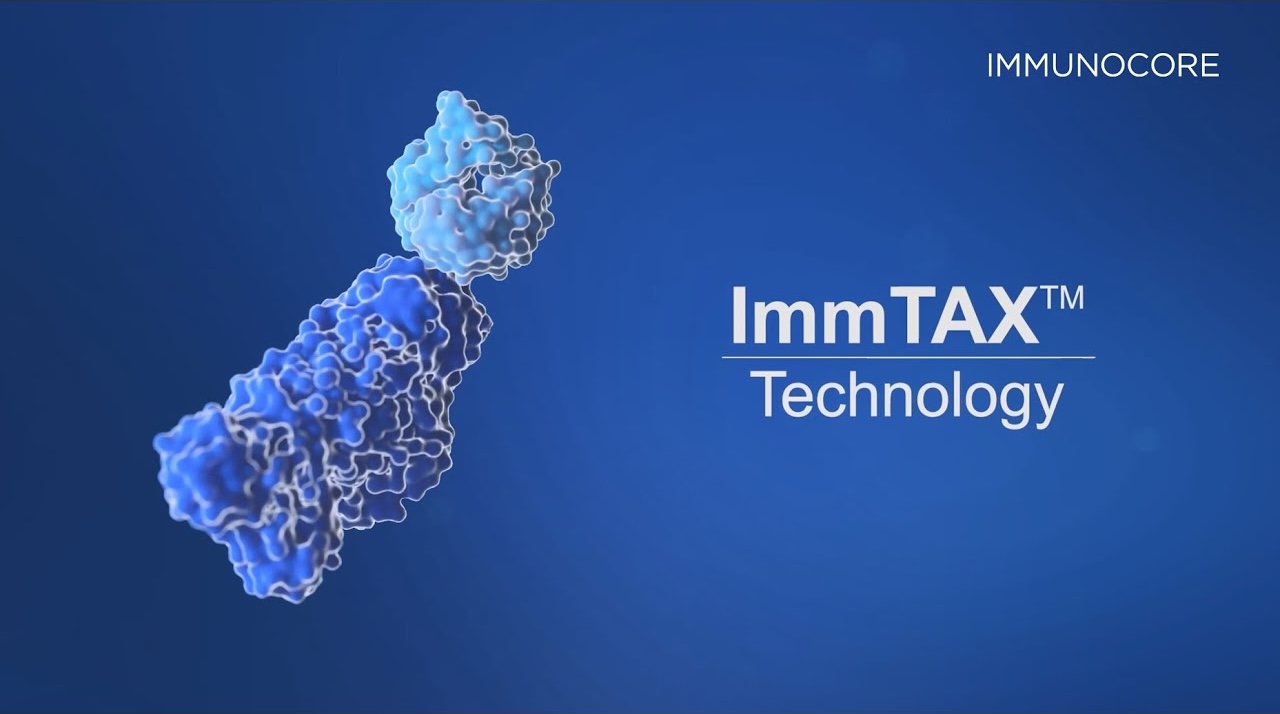
The treatment was built using our ImmTAX (Immune Modulating Therapies Against X disease) technology platform. Whereas other bispecifics such as monoclonal antibodies are limited to extracellular proteins, our technology has the potential to fight a wide range of conditions by employing traditional antibodies or by taking advantage of the T cell receptor’s ability to target the internal contents of a cell, presenting potential routes to treatment for a greater number of diseases.

With a highly-tuned TCR or antibody fragment on one end and an effector arm that recruits T cells on the other, ImmTAX molecules create a bridge between the target and the immune system.

With this modular technology and our in-house database of short peptide sequences, we have the ability to identify and select the optimal target and effector arms, driven by the specific disease biology.

ImmTAX molecules are currently being investigated in three disease areas:
ImmTAC

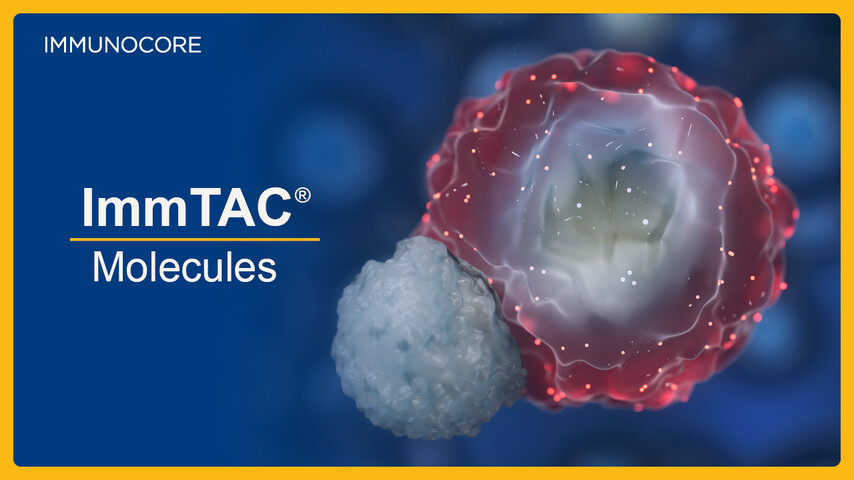
ImmTAC

ImmTAC molecules are designed to treat cancer by targeting antigens presented on cancer cells, generally via the human leukocyte antigen system. They then recruit killer T cells using an anti-CD3 effector function, triggering lytic processes to destroy cancer cells.

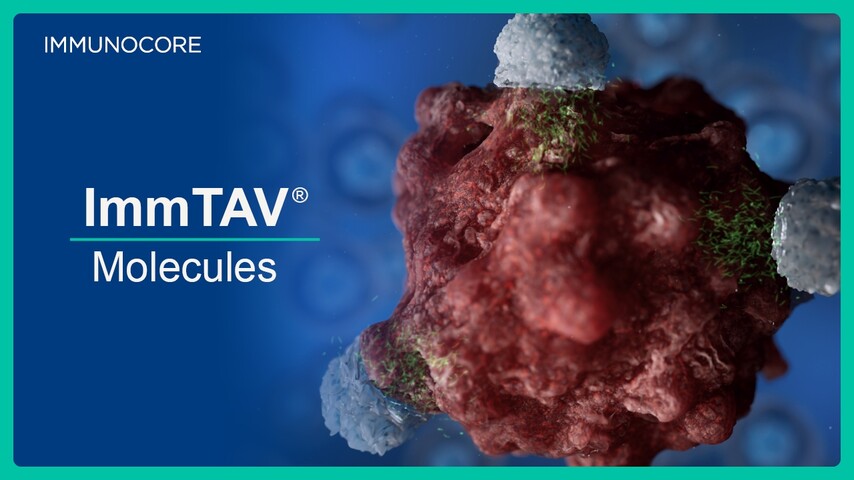
ImmTAV

ImmTAV

ImmTAV molecules are being investigated as potential cures for chronic infections. They are designed to do this by redirecting non-exhausted immune cells to attack infected cells, even those presenting low antigen levels that evade natural immune detection.

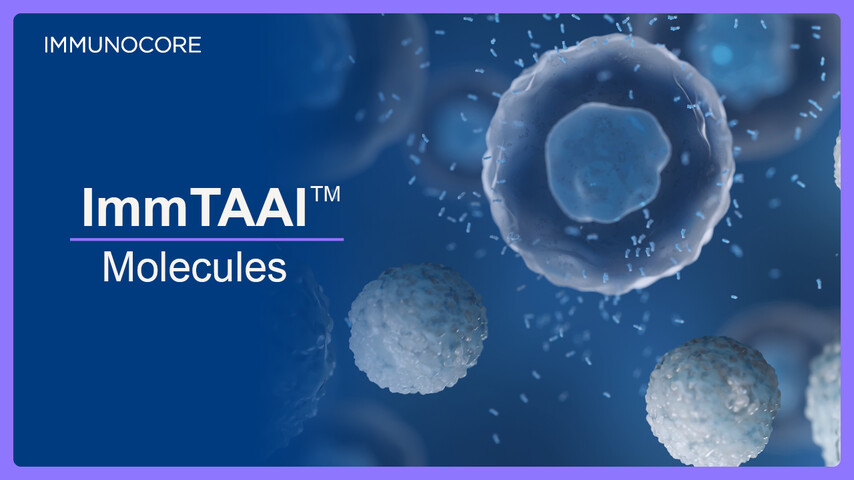
ImmTAAI

ImmTAAI

ImmTAAI molecules aim to suppress organ-specific immune responses by targeting rogue T cells attacking healthy tissue. They inhibit immune pathways to prevent damage, offering a novel approach to immune modulation and autoimmune disease treatment.

Learn more about how our bispecific ImmTAX technology works in cancer, infectious diseases and autoimmune diseases.

1 Holland CJ. J Clin Invest. 2020 Apr 20;130(5):2673–2688


CM-UK-TAX-2600001
DOP: August 2026